El Arreglo de Wassenaar realiza gran variedad de actividades de divulgación para fomentar la amplia adopción de los estándares del acuerdo y promover sistemas nacionales de exportación efectivos.
El Arreglo de Wassenaar suele organizar dos eventos divulgativos al año para los socios interesados (actualmente 45 países):
El Arreglo de Wassenaar organiza periódicamente seminarios y talleres de divulgación u otros eventos.
El Arreglo de Wassenaar también mantiene conversaciones con países individuales y ocasionalmente realiza visitas bilaterales por invitación del país interesado, con la aprobación del Plenario del WA.
La Secretaría del WA interactúa regularmente con diversas organizaciones regionales e internacionales comprometidas con actividades relacionadas. Además, el Arreglo de Wassenaar tiene contacto con otros regímenes de control sobre la expedición de listas de control específicas de carácter técnico.
Entre otras actividades para aumentar la concienciación sobre el trabajo que realiza el Arreglo de Wassenaar se incluyen seminarios, talleres y la participación en conferencias internacionales en diferentes partes del mundo donde a menudo también acuden representantes de la industria o del mundo académico, así como políticos. Un gran número de Estados Participantes también lleva a cabo divulgación a nivel nacional relacionada con los controles de exportaciones y organiza eventos para fomentar el compromiso con otros países en regiones específicas.
En caso de que un país quisiera participar en las actividades divulgativas del Arreglo de Wassenaar, debe trasladar su interés al actual presidente del Plenario o a la Secretaría.
Presentaciones divulgativas recientes:
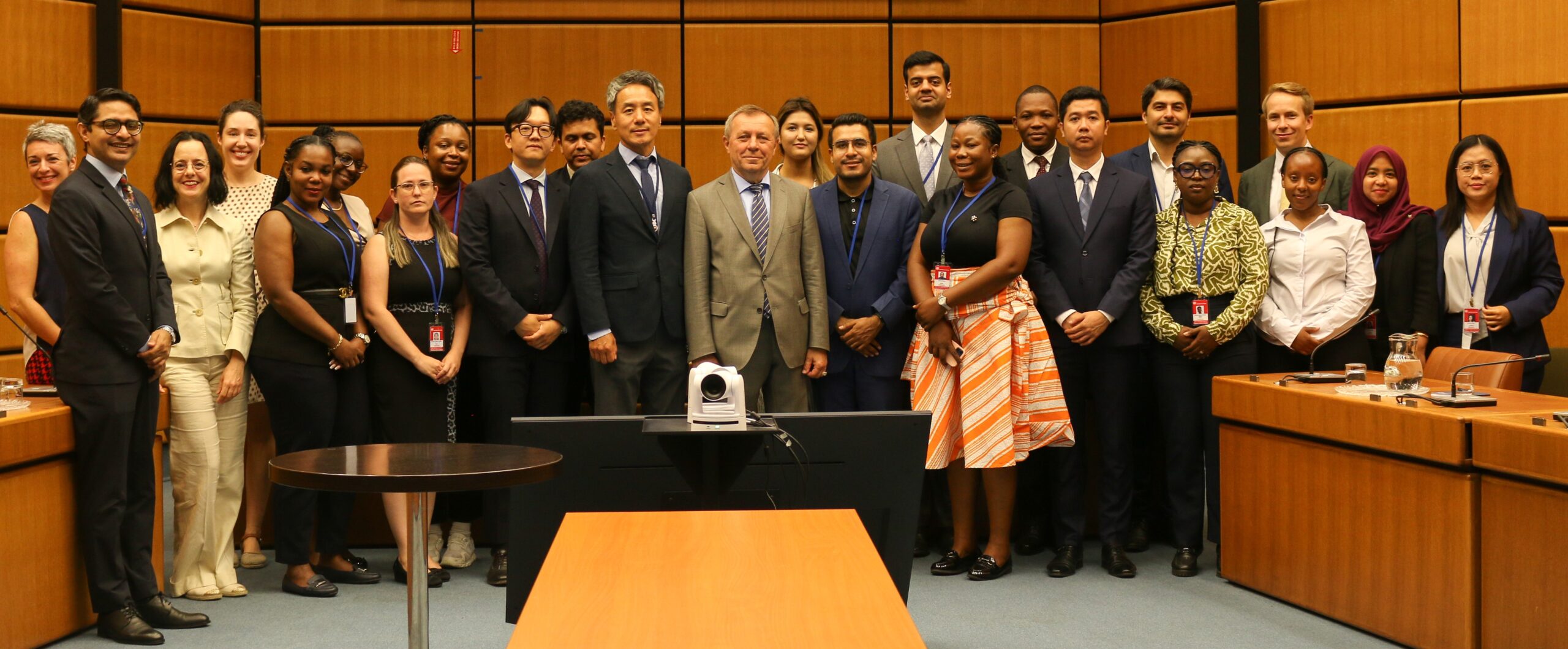
On 24 June, WA Head of Secretariat Ambassador Dr. György Molnár and Counsellor Lee Yoonseok, representing Republic of Korea in its capacity as the 2026 Plenary Chair, discussed the work of the Wassenaar Arrangement with the 2026 United Nations Disarmament Fellows. Counsellor Lee underlined the role of the WA in maintaining effective multilateral export controls, while Ambassador Molnár and officers of the WA Secretariat explained key aspects of the WA’s work including keeping the Munitions List and Dual-Use List up to date as well as continuing to develop and share best practices in the implementation of export controls. Fellows from 24 countries, including four WA Participating States and several WA outreach partner countries, took part in the programme which was organised by the UN Office of Disarmament Affairs.
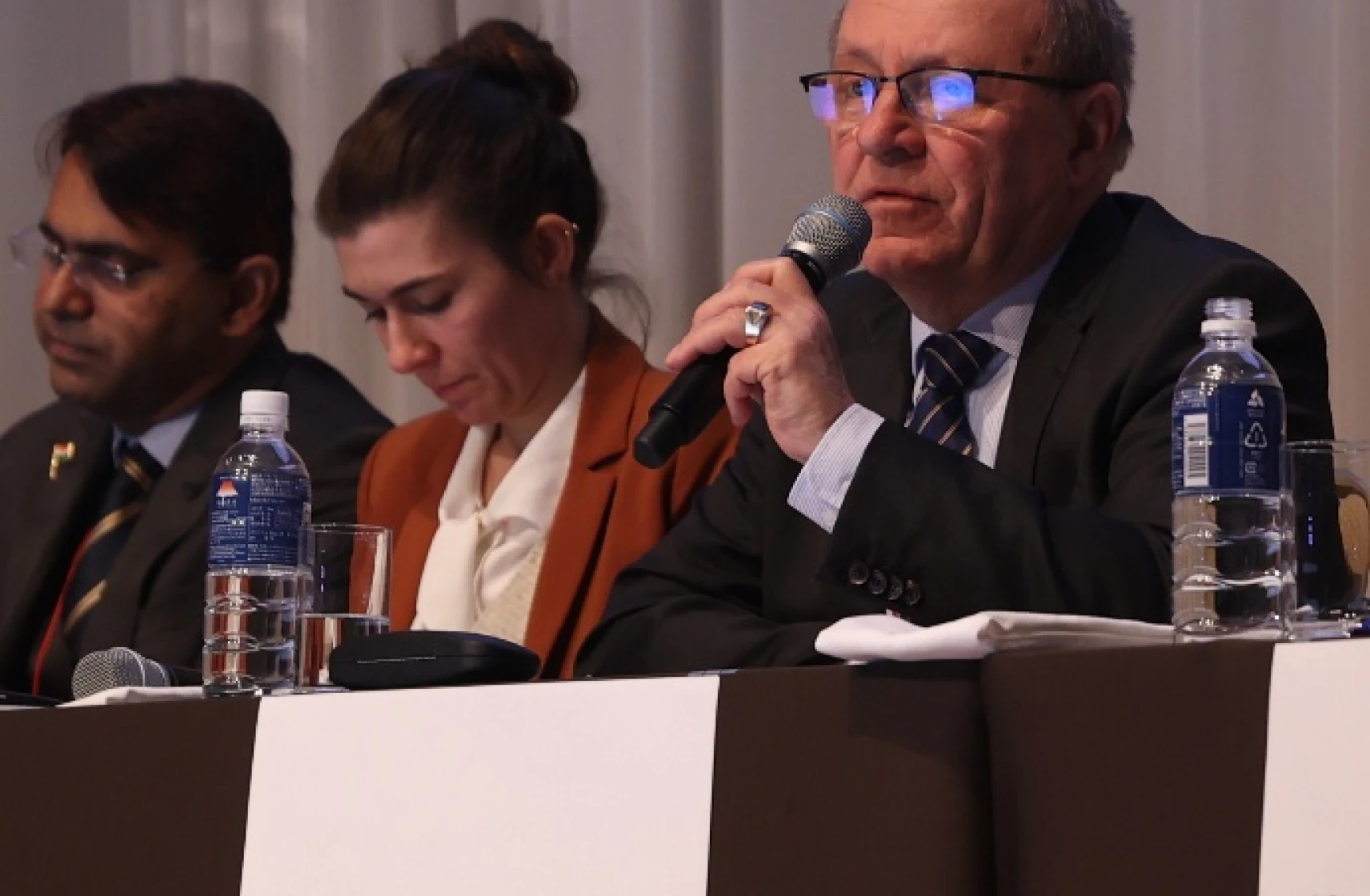
Wassenaar Arrangement (WA) Head of Secretariat Ambassador Dr. György Molnár addressed the Asian Export Control Seminar (AECS) in Tokyo, Japan, on 5 February 2026. His presentation provided an opportunity to promote the establishment of fully effective export controls throughout the Asia-Pacific region.
The Head of Secretariat provided an overview of the WA’s work, focusing on the implementation of WA standards and best practices while underlining the noteworthy updates to the WA Control Lists which were agreed in 2025.
The AECS is organised annually by the Center for Information on Security Trade Control, the Ministry of Economy, Trade and Industry, and the Ministry of Foreign Affairs of Japan.
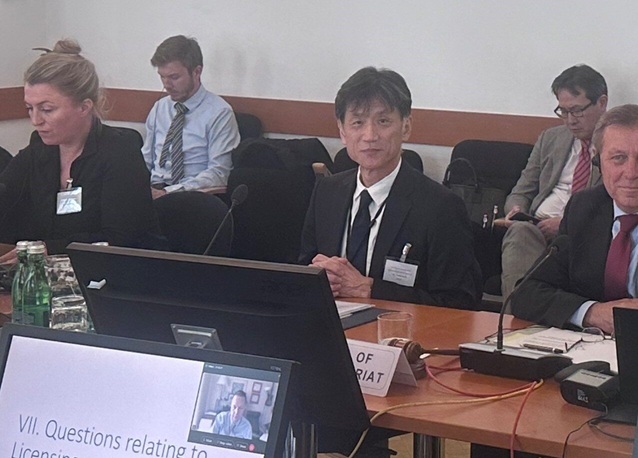
Representatives of 31 outreach partner countries and Participating States took part in an Enhanced Technical Briefing hosted by the Wassenaar Arrangement on 16 June in Vienna. Participating countries included exporters, importers and producers of conventional weapons and dual-use goods and technologies.
Ambassador Kaifu Atsushi (Japan), 2025 Plenary Chair, underlined the value of multilateral cooperation in maintaining fully effective export controls and encouraged governments to take into account accelerating advances in technology and developments in international security as they update their lists of controlled goods and technologies.
Head of Secretariat Ambassador Dr. György Molnár provided an overview of the WA’s work and noted the value of the WA Control Lists as a reference for national systems. He reaffirmed the principles on which the WA was founded, including that it is not directed at any country or group of countries, and that it does not impede bona fide civil transactions.
Experts Group Chair Anneth de Witte (Netherlands), Licensing and Enforcement Officers Meeting Chair Christian Larose (Canada) and experts from France, Japan, the United Kingdom, and the United States delivered briefings on significant changes to the WA Munitions List and List of Dual-Use Goods and Technologies adopted over the last two years as well as the implementation of WA standards and best practices. Several outreach partners provided updates regarding their national export control systems.